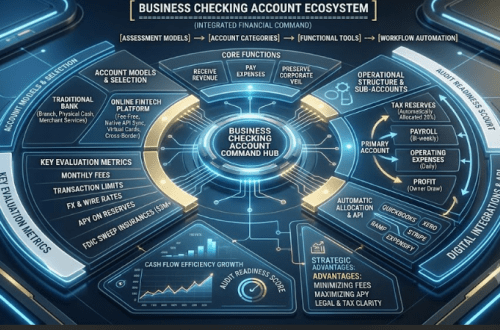









Introduction
Managing business finances effectively is one of the most important responsibilities of any entrepreneur or business owner. Whether you’re launching a startup, operating a small business, freelancing, or running a growing company, separating your personal and business finances is essential. One of the most popular banking options for businesses in the United States is a Chase Business Account.
But is a Chase Business Account the right choice for your business? What types of business checking accounts are available? What are the fees, benefits, eligibility requirements, and application process?
This comprehensive guide answers these questions and provides practical advice to help you decide whether a Chase Business Account fits your financial needs.
The Key Question: What Is a Chase Business Account?
A Chase Business Account is a business banking account offered by JPMorgan Chase that helps business owners manage their finances separately from their personal accounts.
These accounts are designed for:
- Small businesses
- Startups
- Sole proprietors
- Freelancers
- Limited Liability Companies (LLCs)
- Partnerships
- Corporations
- Nonprofit organizations
Business accounts typically include services such as:
- Business checking
- Business savings
- Debit cards
- Online banking
- Mobile banking
- Bill payment
- Wire transfers
- Merchant payment solutions
- Business credit cards
Keeping business and personal finances separate simplifies bookkeeping, tax preparation, and financial reporting.
Why Open a Business Bank Account?
Many new business owners wonder if they really need a dedicated business account.
The answer is generally yes.
Separating business finances offers several advantages:
Better Financial Organization
A dedicated business account keeps income and expenses separate from personal transactions, making records easier to manage.
Easier Tax Preparation
Tracking deductible expenses becomes much simpler when all business transactions are in one place.
Professional Appearance
Clients often feel more confident making payments to a registered business account rather than a personal account.
Legal Protection
For LLCs and corporations, maintaining separate finances can help preserve liability protections.
Access to Business Banking Services
Business accounts often include tools designed specifically for companies, such as payroll services, merchant processing, and higher transaction limits.
Types of Chase Business Accounts
Chase offers several business banking options to meet different needs.
Business Complete Banking
This account is well suited for:
- New businesses
- Small businesses
- Retail stores
- Service providers
- Independent contractors
Features often include:
- Business debit card
- Online banking
- Mobile banking
- Digital payments
- Merchant services integration
Performance Business Checking
Designed for businesses with higher transaction volumes and larger cash balances.
This account generally offers:
- Higher monthly transaction limits
- Increased cash deposit allowances
- Additional banking features
Platinum Business Checking
Best suited for medium-sized and larger businesses that require advanced banking capabilities and higher account activity limits.
Who Should Open a Chase Business Account?
A Chase Business Account may be suitable for:
Freelancers
Separate client payments from personal finances.
Sole Proprietors
Maintain organized financial records.
LLC Owners
Support legal separation between business and personal assets.
Online Businesses
Accept customer payments and manage operating expenses efficiently.
Small Business Owners
Handle payroll, vendor payments, and day-to-day banking from one account.
Documents Required to Open a Chase Business Account
The exact requirements depend on your business structure, but you may need:
- Government-issued photo ID
- Social Security Number (SSN) or Employer Identification Number (EIN)
- Business formation documents
- Business license (if applicable)
- Partnership agreement (for partnerships)
- Articles of Organization (for LLCs)
- Articles of Incorporation (for corporations)
Having these documents ready can help speed up the application process.
How to Open a Chase Business Account
Opening an account is generally straightforward.
Step 1: Choose the Right Account
Review available business banking options and select the one that best fits your transaction volume, cash flow, and banking needs.
Step 2: Gather Documentation
Collect all required identification and business documents.
Step 3: Complete the Application
You can begin the application online or visit a Chase branch, depending on the account type and your business circumstances.
Step 4: Verify Your Identity
The bank will verify your identity and business information before approving the account.
Step 5: Fund the Account
Once approved, deposit the required opening balance if applicable and begin using your account.
Features of a Chase Business Account
Business owners benefit from a variety of banking tools.
Online Banking
Monitor balances, review transactions, and transfer funds from your computer.
Mobile Banking
Manage your account on the go using the Chase mobile app.
Mobile Check Deposit
Deposit eligible checks without visiting a branch.
Debit Card
Access funds for business purchases and ATM withdrawals.
Bill Pay
Pay vendors, utilities, and recurring expenses electronically.
Account Alerts
Receive notifications about account activity to help monitor cash flow and security.
Advantages of a Chase Business Account
Many business owners choose Chase because of its extensive banking network and business-focused services.
Some key advantages include:
- Wide network of branches and ATMs
- User-friendly mobile app
- Strong online banking platform
- Multiple account options
- Merchant payment solutions
- Business credit card options
- Integrated financial services
These features can help businesses manage finances more efficiently.
Potential Drawbacks
No banking solution is perfect for every business.
Some considerations include:
- Monthly maintenance fees may apply.
- Certain accounts have transaction limits.
- Cash deposit limits vary by account type.
- Some fees can be avoided only by meeting specific balance or activity requirements.
Review the account terms carefully before opening an account.
Tips for Choosing the Right Business Account
When comparing business banking options, consider:
Monthly Fees
Understand any maintenance fees and how they can be waived.
Transaction Limits
Choose an account that supports your expected monthly activity.
Cash Deposit Needs
If your business handles cash frequently, review deposit limits.
ATM and Branch Access
Make sure convenient banking locations are available if you need in-person services.
Digital Banking Features
Look for robust online and mobile banking tools that support your workflow.
Best Practices for Managing Your Business Account
Once your account is open:
- Monitor transactions regularly.
- Reconcile your books each month.
- Keep business and personal expenses separate.
- Maintain organized financial records.
- Set up account alerts.
- Use strong passwords and enable two-factor authentication when available.
These habits can improve financial management and reduce the risk of fraud.
Frequently Asked Questions
Can a sole proprietor open a Chase Business Account?
Yes. Sole proprietors can generally open a business account if they meet the bank’s identification and documentation requirements.
Do I need an EIN?
Not always. Some sole proprietors may use their Social Security Number, while LLCs and corporations typically require an Employer Identification Number (EIN).
Can I manage my account online?
Yes. Chase provides online and mobile banking tools that allow you to check balances, transfer funds, pay bills, and monitor transactions.
Are there monthly fees?
Some business accounts include monthly maintenance fees. Depending on the account type, these fees may be waived by meeting certain balance or activity requirements.
Is a Chase Business Account suitable for startups?
Yes. Many startups and small businesses choose Chase because of its range of banking services, digital tools, and nationwide branch network.
Conclusion
A Chase Business Account can be a valuable solution for entrepreneurs, freelancers, and established companies looking to manage their finances professionally. By separating business and personal funds, you can simplify bookkeeping, strengthen your business’s credibility, and gain access to banking tools designed for growth. Before opening an account, compare available account options, understand any fees or transaction limits, and select the account that best matches your business needs. With careful planning and responsible financial management, a dedicated business account can become an essential part of your company’s long-term success.