

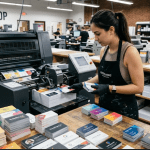

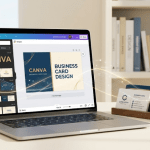


Introduction
In today’s digital world, where websites, social media, and online networking dominate professional communication, many people wonder whether a card of business, more commonly known as a business card, is still relevant. The answer is a resounding yes. A well-designed business card remains one of the simplest and most effective networking tools available.
Whether you’re a freelancer, entrepreneur, small business owner, corporate executive, consultant, or salesperson, a business card helps you leave a lasting impression. It provides potential clients, customers, and business partners with a quick and professional way to remember you and your brand.
This comprehensive guide explains everything you need to know about business cards—from why they matter and what information they should include to design tips, common mistakes, and best practices for making your card stand out.
The Key Question: What Is a Card of Business and?
A card of business, also known as a business card, is a small printed or digital card that contains your professional contact information. It represents both you and your brand and is often exchanged during networking events, meetings, conferences, trade shows, and client interactions.
A business card typically includes:
- Business name
- Personal name
- Job title
- Phone number
- Email address
- Website
- Company logo
- Physical address (optional)
- Social media profiles (optional)
Although it is small in size, a business card can make a powerful first impression and communicate professionalism, credibility, and trust.
The Background: Why Business Cards Still Matter
Some people believe business cards have become outdated because of smartphones and digital communication. However, they continue to play an important role in professional networking.
Business cards provide an immediate and tangible way to share your information without requiring someone to search online or type your details into their phone.
They also:
- Build brand recognition
- Increase credibility
- Create memorable first impressions
- Encourage networking
- Support face-to-face marketing
- Make it easier for clients to contact you later
In many industries—including real estate, finance, consulting, construction, automotive, healthcare, and legal services—business cards remain a standard professional tool.
Benefits of Having a Professional Business Card
1. Creates a Strong First Impression
Your business card often becomes the first piece of your brand that someone keeps after meeting you.
A professionally designed card communicates:
- Confidence
- Professionalism
- Attention to detail
- Brand quality
Poor-quality cards can leave the opposite impression.
2. Builds Trust
People are more likely to trust someone who appears organized and prepared.
Handing over a professionally printed business card demonstrates that you’re serious about your work.
3. Promotes Your Brand
Your business card is a miniature advertisement.
By including your:
- Logo
- Brand colors
- Typography
- Slogan
you reinforce your company’s identity every time you share your card.
4. Makes Networking Easier
Business cards simplify networking at:
- Conferences
- Trade shows
- Business meetings
- Community events
- Industry seminars
Instead of asking someone to type your information into their phone, you can simply hand them your card.
5. Encourages Referrals
Satisfied clients often pass your business card to friends, family, or colleagues.
This simple act can generate valuable word-of-mouth referrals.
What Information Should a Business Card Include?
An effective business card contains only the most important information.
Your Name
Use your full professional name.
Job Title
Examples include:
- Marketing Manager
- Sales Consultant
- Graphic Designer
- SEO Specialist
- Business Owner
Company Name
Display your business name clearly.
Logo
A professional logo helps people remember your brand.
Phone Number
Include the number you regularly use for business.
Email Address
Use a professional email address whenever possible.
Website
Your website gives people access to additional information about your products or services.
Address
Only include a physical address if customers visit your location.
QR Code
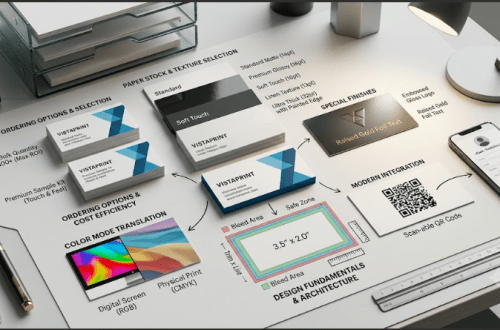
Many modern business cards include a QR code that links directly to a website, portfolio, or digital contact profile.
Types of Business Cards
Standard Business Cards
Traditional printed cards remain the most popular option.
They’re affordable, practical, and suitable for almost every industry.
Premium Business Cards
Premium cards use higher-quality materials such as:
- Thick cardstock
- Matte finish
- Gloss finish
- Velvet coating
- Embossing
- Foil stamping
These cards create a luxury feel.
Digital Business Cards
Digital cards allow people to save your contact information instantly by scanning a QR code or clicking a link.
Advantages include:
- Easy updates
- Eco-friendly
- No printing costs
- Convenient sharing
Many professionals now use both printed and digital business cards.
Choosing the Right Design
A business card should be attractive but easy to read.
Keep It Simple
Avoid overcrowding the card with unnecessary information.
Use Brand Colors
Consistent branding helps customers recognize your business.
Choose Readable Fonts
Select professional fonts that are easy to read.
Include White Space
Leaving enough empty space improves readability and creates a clean, modern look.
Use High-Quality Images
If your logo appears blurry, your business may appear unprofessional.
Best Colors for Business Cards
Different colors communicate different messages.
Blue
Represents trust and professionalism.
Black
Communicates elegance and sophistication.
White
Clean, modern, and timeless.
Green
Associated with growth and sustainability.
Red
Bold, energetic, and attention-grabbing.
Choose colors that match your brand identity.
Business Card Sizes
The standard business card size in many countries is approximately 3.5 × 2 inches (89 × 51 mm).
Some businesses also use square, mini, or folded cards for a unique look, but ensure they remain practical and easy to carry.
Common Business Card Mistakes
Avoid these mistakes to make a better impression:
- Using low-resolution logos
- Including too much information
- Choosing hard-to-read fonts
- Printing on poor-quality paper
- Using outdated contact details
- Ignoring your brand identity
- Forgetting to proofread
Even a small typo can reduce credibility.
When Should You Give Someone Your Business Card?
The best times include:
- After introducing yourself
- At networking events
- During business meetings
- After completing a successful project
- At trade shows
- During client consultations
Present your card confidently and ensure it is clean and in good condition.
Printed vs. Digital Business Cards
| Printed Business Cards | Digital Business Cards |
|---|---|
| Tangible and memorable | Easy to update |
| No internet required | Eco-friendly |
| Great for in-person meetings | Instant sharing |
| Professional appearance | Can include interactive links |
Many professionals use both to maximize networking opportunities.
Tips for Designing an Effective Business Card
- Keep the layout clean.
- Use high-quality printing.
- Stick to your brand colors.
- Make your logo prominent.
- Include only essential information.
- Add a QR code for convenience.
- Use premium paper if your budget allows.
- Double-check all contact details before printing.
Frequently Asked Questions
What is the purpose of a business card?
A business card provides your contact information, promotes your brand, and makes networking easier.
Are business cards still useful today?
Yes. Even in the digital age, business cards remain an effective networking and marketing tool.
Should I include social media links?
Include only professional profiles that support your business, such as LinkedIn or a business-focused Instagram account.
Is a QR code necessary?
Not required, but it is highly recommended because it allows people to access your website or save your contact information instantly.
What paper quality is best?
Thicker cardstock with a matte or soft-touch finish often creates a more premium and professional impression.
Conclusion
A card of business, or business card, remains one of the most valuable tools for personal branding and professional networking. Despite the rise of digital communication, a well-designed business card continues to create strong first impressions, build trust, and make it easier for people to remember and contact you. By focusing on clean design, accurate information, quality materials, and consistent branding, you can turn a simple card into a powerful marketing asset. Whether you choose a traditional printed card, a digital version, or both, investing in a professional business card is a smart step toward strengthening your brand and expanding your professional connections.