






ntroduction
The gaming industry has evolved into a multi-billion-dollar global market, with millions of players engaging across consoles, PCs, and mobile devices. Among the most influential companies in this industry is Sony, whose PlayStation brand has become synonymous with console gaming. When people search for the term “Sony PlayStation platform business,” they are often trying to understand how Sony generates revenue from PlayStation, how the platform operates, and why it remains one of the most successful gaming ecosystems in the world.
The PlayStation business is much more than selling gaming consoles. It includes digital services, game publishing, subscriptions, online multiplayer experiences, cloud gaming, hardware innovation, and partnerships with game developers. Understanding this business model helps gamers, investors, developers, and industry observers appreciate the scale and strategy behind Sony’s gaming success.
This article explores the key questions surrounding the Sony PlayStation platform business, its background and development, the challenges it faces, strategic solutions that drive growth, and what the future may hold for the PlayStation ecosystem.
The Key Question: What Is the Sony PlayStation Platform Business?
The most common question users ask is:
What is the Sony PlayStation platform business, and how does it make money?
The Sony PlayStation platform business refers to the collection of products, services, technologies, and partnerships that make up Sony’s gaming ecosystem. It includes the hardware, software, digital storefronts, subscription services, and developer networks that support PlayStation users worldwide.
At its core, Sony earns revenue through several key channels:
Console Sales
Sony sells PlayStation gaming consoles, including the PlayStation 5 and related hardware products.
Game Sales
Revenue comes from both physical and digital game purchases made through the PlayStation platform.
Subscription Services
Sony generates recurring income through subscription programs that provide online gaming, game libraries, and exclusive benefits.
Digital Content
Players purchase downloadable content (DLC), in-game items, expansions, and virtual currencies through the platform.
Third-Party Developer Partnerships
Sony receives a share of revenue from games sold by external developers on the PlayStation Store.
Accessories and Peripherals
Controllers, headsets, cameras, charging stations, and other accessories contribute additional revenue.
Together, these components create a diversified platform business rather than a simple hardware company.
Understanding the Context and Background
To understand Sony’s PlayStation platform business, it is important to examine its history and evolution.
The Birth of PlayStation
Sony entered the gaming industry in the 1990s with the launch of the original PlayStation console.
At the time, the gaming market was dominated by established competitors. However, Sony introduced innovative technology, strong developer support, and a growing library of games.
The success of the original PlayStation laid the foundation for future generations.
Expansion Through Console Generations
Over the years, Sony released several major gaming systems:
- PlayStation
- PlayStation 2
- PlayStation 3
- PlayStation 4
- PlayStation 5
Each generation expanded Sony’s gaming ecosystem and strengthened its position within the industry.
The PlayStation 2 became one of the most successful gaming consoles ever released, helping Sony establish a massive global user base.
Evolution Beyond Hardware
Initially, gaming companies relied heavily on hardware sales.
However, the gaming industry evolved significantly.
Today, Sony’s PlayStation business includes:
- Digital game distribution
- Subscription services
- Cloud gaming
- Online multiplayer networks
- Digital entertainment platforms
This transformation shifted PlayStation from a product-focused business to a platform-focused business model.
The Rise of Digital Gaming
The transition from physical discs to digital downloads significantly changed Sony’s revenue structure.
Digital gaming provides advantages such as:
- Lower distribution costs
- Instant purchases
- Continuous content updates
- Higher profit margins
As more gamers embrace digital purchases, Sony’s platform becomes increasingly valuable.
How the Sony PlayStation Platform Business Works
Sony’s platform business relies on creating value for multiple stakeholders.
Gamers
Players gain access to:
- Gaming hardware
- Digital game libraries
- Online services
- Multiplayer communities
- Exclusive titles
The platform encourages long-term engagement.
Developers
Game developers benefit from access to millions of PlayStation users.
Sony provides:
- Development tools
- Distribution channels
- Marketing opportunities
- Technical support
Developers create games while Sony supplies the platform infrastructure.
Publishers
Publishers use PlayStation to distribute games globally.
The PlayStation Store enables instant access to customers in numerous countries.
Sony
Sony profits from platform participation through revenue sharing, subscriptions, hardware sales, and digital transactions.
The more users and developers join the ecosystem, the stronger the platform becomes.
The Importance of Exclusive Games
One of Sony’s most powerful business strategies involves exclusive content.
Exclusive games encourage consumers to purchase PlayStation consoles.
Examples of exclusivity benefits include:
- Brand differentiation
- Increased console sales
- Higher customer loyalty
- Stronger platform engagement
Popular exclusive franchises have historically played a major role in PlayStation’s success.
Subscription Services and Recurring Revenue
Modern platform businesses increasingly rely on subscriptions.
Sony’s subscription strategy provides recurring revenue that is more predictable than one-time hardware sales.
Benefits include:
- Monthly income streams
- Increased user retention
- Expanded game access
- Long-term customer relationships
Subscription models have become a major growth driver for the gaming industry.
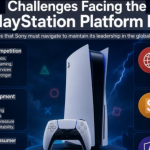
Challenges Facing the Sony PlayStation Platform Business
Despite its success, Sony faces several challenges.
Intense Competition
The gaming market remains highly competitive.
Sony competes with:
- Console manufacturers
- PC gaming platforms
- Mobile gaming ecosystems
- Cloud gaming providers
Maintaining market leadership requires constant innovation.
Rising Development Costs
Modern games require:
- Large development teams
- Advanced graphics technology
- Extended production timelines
These factors increase financial risk for publishers and platform owners.
Changing Consumer Expectations
Today’s gamers expect:
- Cross-platform functionality
- Fast updates
- Online services
- High-quality content
Meeting these expectations requires ongoing investment.
Supply Chain Challenges
Hardware manufacturing depends on complex global supply chains.
Component shortages and logistics disruptions can affect console availability and profitability.
Solutions and Strategic Advice
Sony’s continued success depends on adapting to industry changes while strengthening its platform ecosystem.
Focus on Ecosystem Growth
Rather than emphasizing hardware alone, Sony should continue expanding its ecosystem.
This includes:
- Digital services
- Online communities
- Cross-device experiences
A larger ecosystem increases customer loyalty.
Invest in Exclusive Content
Exclusive games remain one of PlayStation’s strongest competitive advantages.
Continued investment in first-party development studios can help attract and retain players.
Unique experiences encourage users to remain within the PlayStation ecosystem.
Expand Subscription Offerings
Subscription services provide recurring revenue and increase customer engagement.
Future opportunities may include:
- Expanded game libraries
- Cloud gaming features
- Additional entertainment content
These services help strengthen long-term customer relationships.
Support Independent Developers
Independent game studios often create innovative and successful titles.
Providing tools, funding opportunities, and platform visibility can attract more developers to PlayStation.
A diverse content library benefits the entire ecosystem.
Strengthen Cloud Gaming Capabilities
Cloud gaming is becoming an increasingly important segment of the industry.
Investing in streaming technology can:
- Reduce hardware barriers
- Expand global reach
- Increase accessibility
Cloud services may play a larger role in the future of gaming.
Enhance Community Features
Gaming is becoming more social.
Improved community tools can increase engagement through:
- Multiplayer experiences
- Content sharing
- Social networking features
Strong communities encourage long-term platform loyalty.
The Future of the Sony PlayStation Platform Business
The future of PlayStation will likely be shaped by several major trends.
Digital-First Gaming
Digital purchases continue to grow worldwide.
Sony is expected to further emphasize digital distribution and online services.
Cloud-Based Experiences
Cloud gaming technology may allow players to access games without traditional hardware limitations.
This could significantly expand PlayStation’s audience.
Artificial Intelligence
AI technologies may improve:
- Game development
- Personalization
- Customer support
- Platform management
These innovations could enhance user experiences across the ecosystem.
Expanded Entertainment Ecosystems
Sony has opportunities to integrate gaming with:
- Movies
- Television
- Music
- Interactive experiences
This broader entertainment strategy could create additional growth opportunities.
Conclusion
The Sony PlayStation platform business is far more than a console manufacturer. It is a comprehensive gaming ecosystem that combines hardware, software, digital marketplaces, subscription services, developer partnerships, and online communities. Through decades of innovation, Sony has transformed PlayStation into one of the most successful and recognizable gaming platforms in the world.
Its success stems from a combination of strong exclusive content, a large user base, recurring subscription revenue, digital distribution, and continuous technological advancement. While challenges such as competition, rising development costs, and changing consumer expectations remain, Sony’s platform-focused approach positions it well for future growth.
As gaming continues to evolve, the PlayStation platform business is likely to expand beyond traditional console gaming and embrace new technologies such as cloud gaming, AI-driven services, and integrated entertainment experiences. For gamers, developers, investors, and industry observers, understanding the Sony PlayStation platform business provides valuable insight into one of the most influential forces shaping the future of interactive entertainment.