








Introduction
Whether you’re starting a new company, researching a competitor, verifying a business’s legitimacy, or checking if a business name is available, conducting a PA business entity search is an important first step. Pennsylvania maintains official records of registered businesses, allowing the public to access information about corporations, limited liability companies (LLCs), partnerships, nonprofits, and other legal entities operating within the state.
Many people search for the term “PA business entity search” because they need accurate information about a business’s legal status, registration details, or ownership records. However, understanding how business entity searches work and how to interpret the results can sometimes be confusing.
This guide explains everything you need to know about the Pennsylvania business entity search process, including why it matters, how it works, common challenges users face, and practical advice for using business records effectively.
The Key Question: What Is a PA Business Entity Search?
The most common question users ask is:
What is a PA business entity search, and why is it important?
A PA business entity search is a process that allows individuals to look up official information about businesses registered in Pennsylvania. The search is designed to provide public access to important business records maintained by the state.
Through a business entity search, users can often find information such as:
- Business name
- Entity type
- Registration date
- Business status
- Registered office information
- Filing history
- Entity identification numbers
- Legal standing
This information helps entrepreneurs, consumers, investors, attorneys, and business owners make informed decisions.
Why People Conduct a PA Business Entity Search
There are several common reasons for using a Pennsylvania business entity search.
Starting a New Business
Entrepreneurs often search existing business records before registering a company to ensure their desired name is available.
Verifying Business Legitimacy
Consumers may want to confirm that a company is legally registered before making purchases or signing contracts.
Researching Competitors
Business owners frequently review competitors’ public records as part of market research.
Conducting Due Diligence
Investors, lenders, and legal professionals use entity searches to evaluate potential risks before entering business relationships.
Maintaining Compliance
Current business owners may verify their own records to ensure information remains accurate and up to date.
Understanding the Context and Background
To understand the value of a PA business entity search, it helps to understand how business registration systems work.
Why Business Registration Exists
Most formal business entities must register with state authorities before conducting operations.
Registration serves several purposes:
- Establishes legal recognition
- Protects business names
- Creates public records
- Supports regulatory oversight
- Promotes transparency
By registering, businesses become part of an official recordkeeping system that helps maintain trust in the marketplace.
The Importance of Public Business Records
Public records benefit both businesses and consumers.
They provide:
- Transparency
- Accountability
- Fraud prevention
- Business verification
- Legal documentation
Without public business records, it would be difficult to verify whether a company exists legally or complies with state requirements.
Types of Entities Found in Pennsylvania Records
A business entity search may include various organizational structures.
Limited Liability Companies (LLCs)
LLCs are among the most common business structures because they offer liability protection and flexible management.
Corporations
Corporations operate as separate legal entities and often serve larger organizations.
Nonprofit Organizations
These entities pursue charitable, educational, religious, or public service purposes.
Partnerships
Partnerships involve multiple owners sharing responsibilities and profits.
Professional Entities
Certain licensed professions may operate through specialized legal structures.
Understanding entity types can help users evaluate businesses more effectively.
Information Available Through a PA Business Entity Search
Business searches provide access to a variety of useful information.
Business Name
The legal name under which the business is registered.
This helps users verify identity and distinguish between similarly named organizations.
Entity Type
The search results generally identify the business structure.
Examples include:
- LLC
- Corporation
- Nonprofit
- Partnership
The entity type can provide insight into ownership and liability arrangements.
Business Status
One of the most important pieces of information is the business status.
Common status labels include:
Active
The business is currently registered and authorized to operate.
Good Standing
The company has met filing and reporting requirements.
Dissolved
The entity has formally ended its legal existence.
Inactive
The business is no longer operating or maintaining active registration.
Understanding these statuses is essential when evaluating a business.
Registration Date
The formation date indicates when the business was established.
A longer operating history may suggest greater stability and experience.
Registered Office Information
Businesses typically provide an official address for legal and administrative purposes.
This information may help verify business operations and location.
Filing History
Some records include filing information such as:
- Formation documents
- Amendments
- Annual reports
- Name changes
Reviewing filing history can provide valuable insights into a company’s development.
Common Problems Users Face
Although business entity searches are useful, users often encounter several challenges.
Problem 1: Determining Name Availability
Entrepreneurs frequently struggle to determine whether a business name is already in use.
Choosing a name without researching availability may lead to:
- Registration denial
- Branding conflicts
- Legal disputes
A business entity search helps prevent these problems.
Problem 2: Identifying the Correct Business
Many companies have similar names.
Without careful review, users may accidentally examine the wrong entity.
Always compare:
- Entity type
- Address
- Registration date
- Status
to ensure accuracy.
Problem 3: Understanding Status Information
Terms such as active, dissolved, and inactive may be unfamiliar to many users.
Misinterpreting status information can lead to poor business decisions.
Understanding these labels is important during due diligence.
Problem 4: Verifying Legitimacy
Consumers often want reassurance that a business is genuine and properly registered.
Business entity searches help confirm:
- Legal registration
- Current status
- Public records history
This information can reduce risks associated with fraudulent businesses.
Solution: How to Conduct a PA Business Entity Search Effectively
The process becomes much easier when approached systematically.
Step 1: Gather Available Information
Before beginning, collect any details you already know.
Examples include:
- Business name
- Partial name
- Registration number
- Address information
Additional details help narrow search results.
Step 2: Use Official Sources
Whenever possible, rely on official state-maintained business databases.
Official records are generally more accurate than:
- Third-party directories
- Unverified websites
- Social media pages
Using official sources reduces the likelihood of errors.
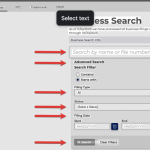
Step 3: Search by Business Name
Most searches begin with a company name.
Helpful tips include:
- Use exact names when available.
- Try partial names if uncertain.
- Consider alternate spellings.
- Remove punctuation when necessary.
These strategies often improve search accuracy.
Step 4: Review Search Results Carefully
Many businesses may have similar names.
Examine:
- Status
- Entity type
- Formation date
- Address information
to identify the correct organization.
Step 5: Verify Current Status
Business status is particularly important.
Always confirm whether the entity is:
- Active
- In good standing
- Dissolved
- Inactive
This information may affect contracts, partnerships, and investment decisions.
Step 6: Examine Filing Records
Review available filings for additional context.
Filing history may reveal:
- Organizational changes
- Compliance patterns
- Business longevity
This information can support informed decision-making.
Practical Advice for Entrepreneurs
Entrepreneurs should view entity searches as a critical part of the business formation process.
Confirm Name Availability Before Branding
Before investing in:
- Logos
- Websites
- Marketing campaigns
- Business cards
verify that the desired name is available.
This simple step can prevent costly rebranding efforts.
Research Similar Businesses
Entity searches can also help identify potential competitors operating within the same market.
Competitive research supports strategic planning and differentiation.
Maintain Accurate Records
After registration, keep all business information current.
Accurate records improve compliance and maintain credibility.
Practical Advice for Consumers
Consumers can use business entity searches as part of routine due diligence.
Before hiring a company or making significant purchases:
- Verify registration status
- Review business information
- Confirm legal existence
These steps help reduce risks.
Practical Advice for Investors and Partners
Investors should never rely solely on marketing materials.
Business records provide objective information regarding:
- Legal status
- Organizational history
- Compliance records
- Business structure
Proper research supports better investment decisions.
Benefits of Using a PA Business Entity Search
The Pennsylvania business entity search offers numerous advantages.
Transparency
Public records improve trust and accountability.
Fraud Prevention
Verification reduces exposure to scams and fraudulent organizations.
Better Decision-Making
Reliable information supports informed choices.
Business Planning
Entrepreneurs can confirm name availability and evaluate competitors.
Legal Protection
Official records help users verify business legitimacy before entering agreements.
Common Mistakes to Avoid
Assuming a Name Is Available
Always perform a search before selecting a business name.
Ignoring Entity Status
Status information may reveal compliance issues.
Using Outdated Information
Business records change over time.
Verify information using current data whenever possible.
Relying Only on Search Engines
Official state records are generally more reliable than general internet searches.
Conclusion
A PA business entity search is a valuable tool for entrepreneurs, consumers, investors, attorneys, and business owners. It provides access to official business records that help verify company legitimacy, confirm registration status, research competitors, and determine name availability before launching a new venture.
Whether you’re starting a business, evaluating a potential partner, conducting due diligence, or simply verifying a company’s legal existence, understanding how to use Pennsylvania’s business entity records can save time, reduce risk, and improve decision-making. By carefully reviewing business information, checking entity status, and relying on official records whenever possible, users can navigate Pennsylvania’s business environment with greater confidence and accuracy.
Ultimately, a PA business entity search is more than just a database lookup—it is an essential resource for transparency, compliance, and informed business planning.